Something extraordinary happens when a warm loaf of sourdough arrives at a restaurant kitchen — not from a commercial bakery truck, but from a neighbor. The chef slices it at the pass. The crust shatters. The smell of stone-milled grain and local honey fills the room. This bread started not in a factory, but in an artisan bakery that sourced every key ingredient — the grain, the eggs, the honey — from farms within an hour's drive, coordinated through LiveStalks.
At LiveStalks, we see this kind of connection happen every week across Southern Maine and Seacoast New Hampshire. And what makes it especially interesting is where the baker sits in the story — not just as a vendor, but as something rarer: a participant on both sides of the local food economy.
Video moment: baker sliding a loaf from the oven, close-up of crust, steam rising.
The Baker as Both Buyer and Seller
Most people think of a local baker as a one-directional business: buy supplies, make products, sell to customers. But an artisan baker using LiveStalks occupies a unique position in the regional food chain. They are simultaneously a buyer and a seller in the same local marketplace.
On one side, they source eggs, honey, stone-milled grain, and seasonal fruit directly from local farms through the LiveStalks marketplace — no distributor, no warehouse markup, no mystery about where the ingredients came from. On the other side, they list their finished products — sourdough loaves, croissants, honey cakes, seasonal pastries — and sell directly to local chefs and restaurants, again through LiveStalks. No middleman in either direction.
This creates a circle that strengthens the entire local food community: farm → baker → chef → guest → community. LiveStalks connects every link.
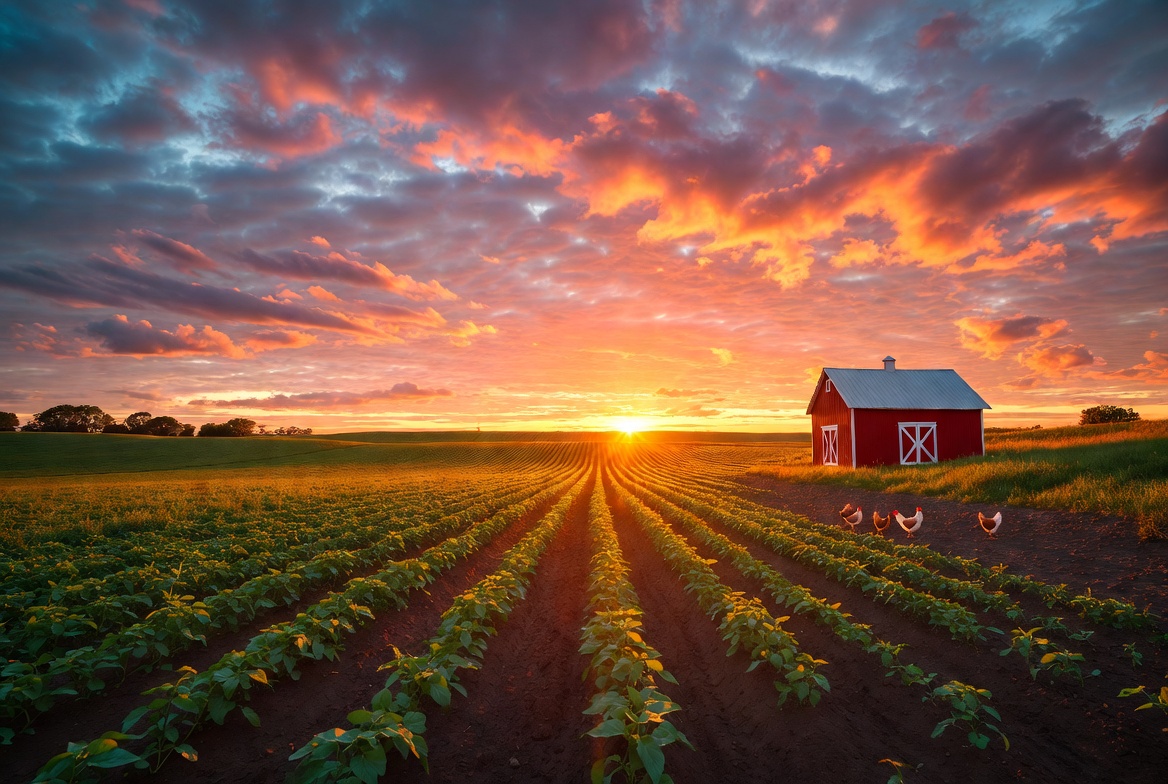
Video moment: baker picking up a farm delivery, then loading finished loaves into a van headed to a restaurant.
Sourcing Local Changes What You Can Make
When a baker swaps commodity flour for stone-milled grain from a regional mill, or trades industrial honey for raw local honey that carries the specific flavor of Maine wildflowers, the finished product changes — not incrementally, but categorically.
Local honey has terroir, the same way wine does. It reflects the landscape where the bees foraged: coastal salt meadow, inland orchard, or open wildflower field. Stone-milled grain retains more of the bran and germ that give bread its depth, its chew, and its nutrition. Farm eggs with bright orange yolks enrich a brioche or a croissant in ways that supermarket eggs simply cannot. And seasonal fruit — blueberries at their peak, strawberries just picked, apples from a local orchard — makes the difference between a pastry that's pleasant and one that's genuinely memorable.
The ingredients define the product. For a baker, sourcing local is not just a values statement. It's a quality decision.
Video moment: baker folding honey into dough; cracking farm eggs; the difference in color and texture visible on camera.
How Bakers Use the LiveStalks Marketplace to Source
The LiveStalks marketplace gives bakers direct access to what local farms have available right now. Browse farm listings in your area, see current inventory and pricing, place orders, and coordinate delivery — all in one place.
If a farm doesn't grow exactly what you need, send a wish request. Farmers use that signal to inform what they plant next season, turning the relationship between bakery and farm into an ongoing dialogue rather than a one-time transaction.
Because there's no distributor in the chain, bakers pay farm prices — not the inflated prices that come after a product has passed through a warehouse and a sales team. And because every order is placed directly with the farmer, bakers can ask questions, build real relationships, and plan seasonal menus around what's actually growing nearby.
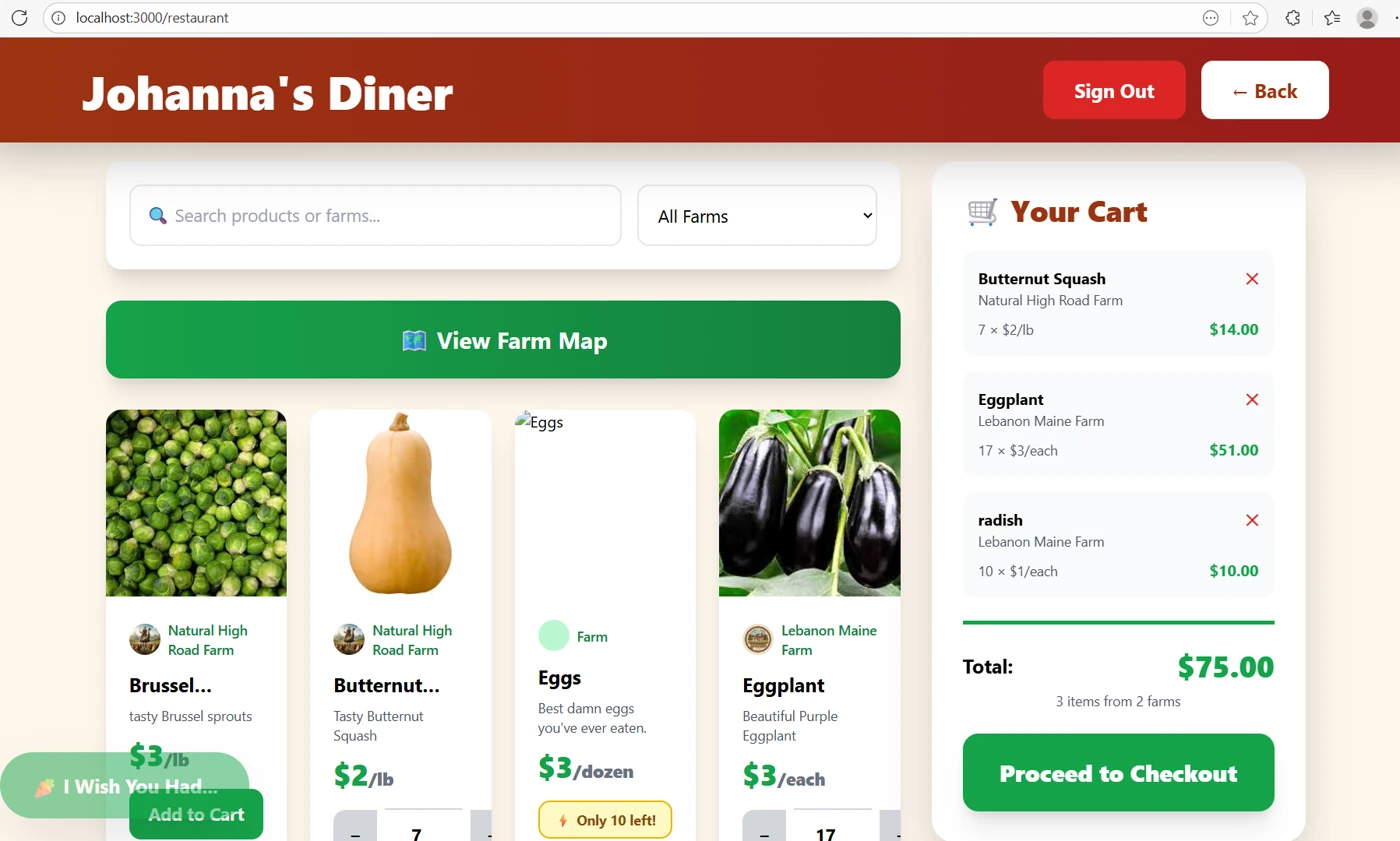
Video moment: baker scrolling the LiveStalks marketplace on a tablet, selecting items from a farm listing.
How Bakers Find Their Chef Customers
The same platform that helps a baker source ingredients also helps them sell their finished products to local restaurants and chefs.
A baker lists their products on the LiveStalks marketplace — with photos, descriptions, pricing, and available quantities. Chefs who are actively searching for local artisan suppliers browse those listings and discover a bakery they might never have found any other way. A chef in Portsmouth can connect with a baker in Kittery. A baker in Dover gets a wholesale inquiry from a farm-to-table restaurant in Durham.
The platform does the introduction. The baker does the baking. For artisan bakers who have never had a direct channel to restaurant buyers, this is genuinely new territory — and a meaningful source of consistent wholesale revenue.
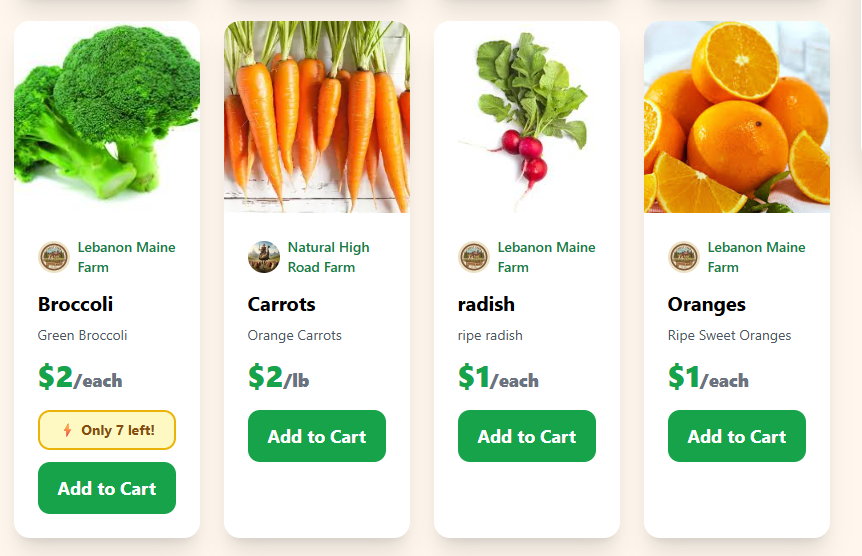
Video moment: a chef receiving a notification, opening the app, and discovering a local baker's product listing.
What Local Bread Does for the Chef's Menu
When a chef sources bread from a local artisan baker instead of a commercial supplier, it changes what they can say about their food — and that difference matters enormously to today's diners.
"Baked this morning with Maine honey and stone-milled grain sourced from a farm in Kennebunk." That sentence on a menu does more work than any paid advertisement. It tells a story. It creates specificity. It answers the question diners increasingly want answered: where did this come from, and who made it?
A dish built on local, traceable ingredients becomes something a guest can talk about — at the table, with friends, on their phone. It becomes part of the restaurant's identity, not just another line item on the menu.
"When I can tell a guest the name of the baker and where the grain was milled, that bread becomes a place. They remember it completely differently." — A LiveStalks chef partner, Seacoast New Hampshire
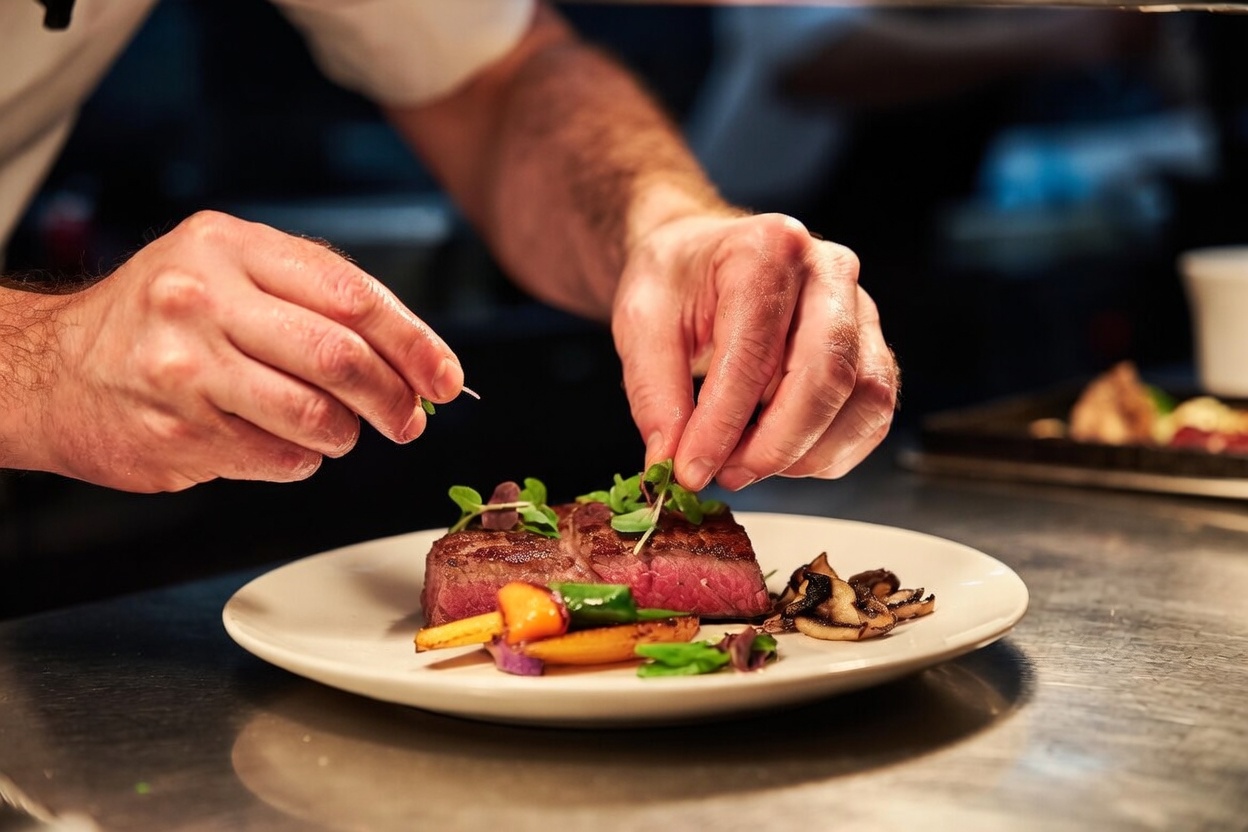
Video moment: chef reading the menu description aloud to a table; guests leaning in, asking follow-up questions.
The Guest Reaction
The moment a guest asks "where did this bread come from?" — that is the point of the whole exercise. It means the food spoke clearly enough to make someone genuinely curious about its origin.
Transparency at the table creates a kind of loyalty that advertising cannot manufacture. Diners who understand where their food comes from return more often, recommend the restaurant more confidently, and engage more deeply with the story the chef is telling. The baker's name spreads without a marketing budget. The farm earns recognition they could never afford to purchase on their own.
This is what local sourcing does at its best: it turns a meal into a conversation, and a restaurant into a community institution.
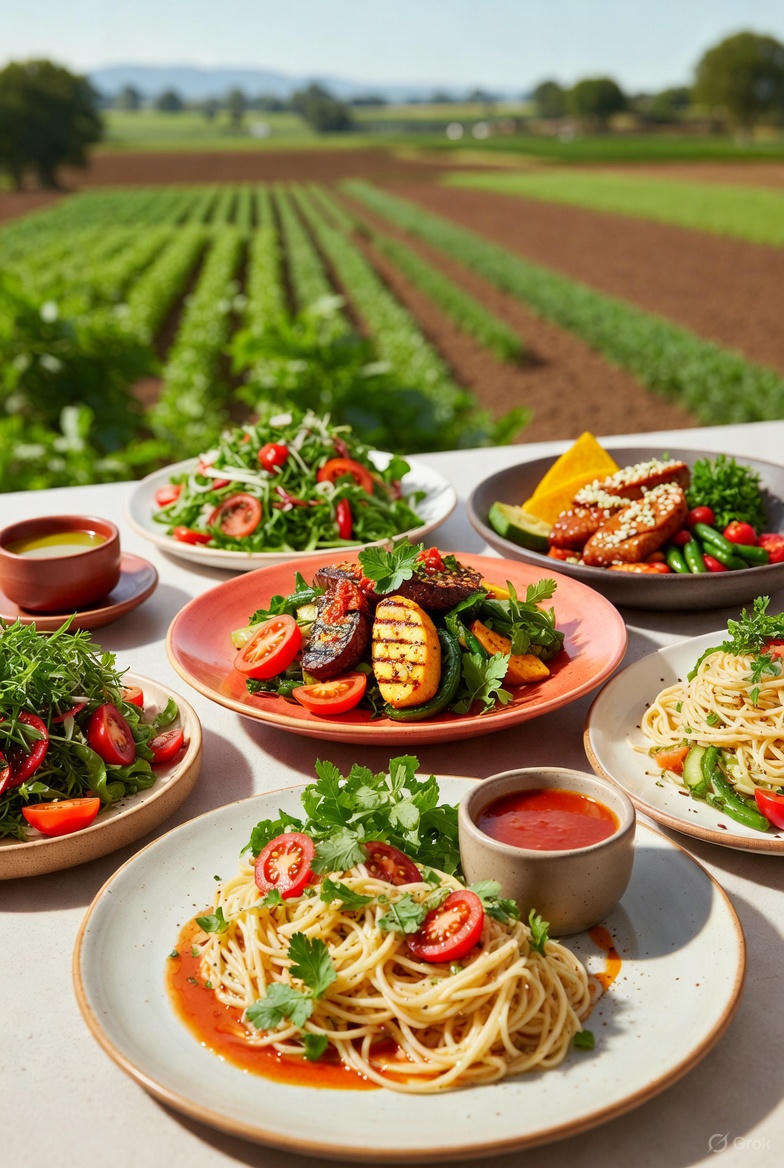
Video moment: guest reaction — leaning in, asking about the bread, pulling out a phone to photograph it.
The Full Circle
When a local farm sells its honey and grain to a baker, and that baker transforms those ingredients into something a chef is proud to serve, and that chef puts it in front of a guest who leans in and asks about the bread — the whole chain becomes visible. The farm thrives. The baker builds a real wholesale business. The chef stands out in a competitive market. The guest leaves with something to talk about. And the community builds a food culture genuinely rooted in the land it sits on.
This is what LiveStalks exists to enable — not as a middleman, but as the platform that makes direct relationships possible at every link in the chain.
Grown Local... Served Local...