Most chefs in Maine have a drawer somewhere with business cards from farm reps who never called back. Or they placed an order, got a confirmation, and then heard nothing until Friday morning when the delivery didn't show. Or they paid $8 a pound for "local" asparagus that came through a Boston distributor who sourced it from New Jersey. This is how local sourcing used to work: through friction, uncertainty, and a lot of phone tag — if it worked at all.
LiveStalks exists to replace that system with something that actually functions. Here's exactly how it works, for both sides of the marketplace.
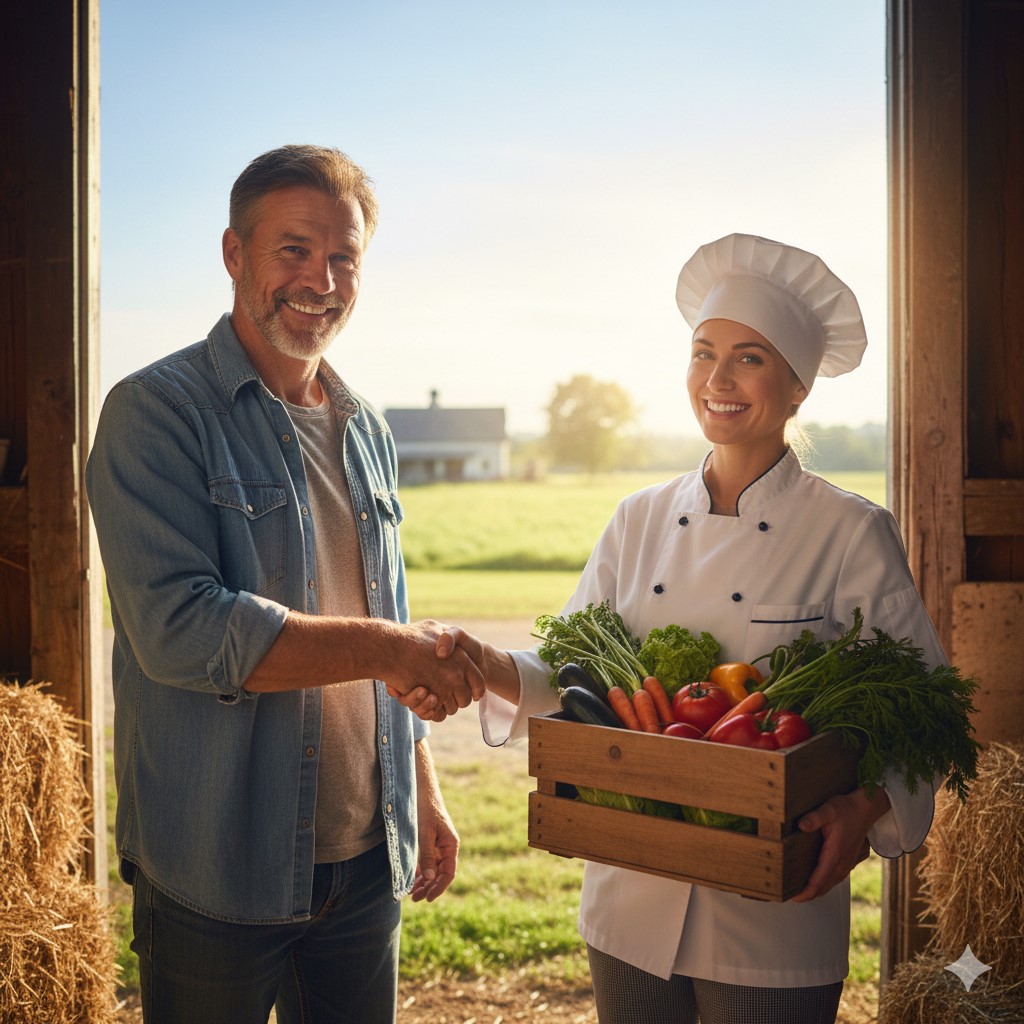
Video moment: farm and restaurant owner meeting for the first time — the handoff that used to require a distributor, now done directly.
The Problem LiveStalks Solves
Before LiveStalks, a chef who wanted to source directly from local farms had three options, all of them painful:
Option 1: Call farms individually. Find a phone number, hope someone answers, ask what they have, get a price, check back next week because availability changes. Multiply this by every ingredient, every week, across every farm you want to work with.
Option 2: Go through a distributor. Convenient, but the distributor takes 15–25% off the top, and "local" in a distributor's catalog might mean anywhere within a 500-mile radius. You're also buying what the distributor has, not what's actually available from farms in your area right now.
Option 3: Go to a farmers market. Great for relationships, terrible for volume, reliability, and anything resembling a predictable supply chain. You can't run a restaurant kitchen on Saturday morning market runs.
LiveStalks replaces all three with a single platform where farms list what they have, chefs order directly, and delivery gets coordinated without a middleman in the chain.
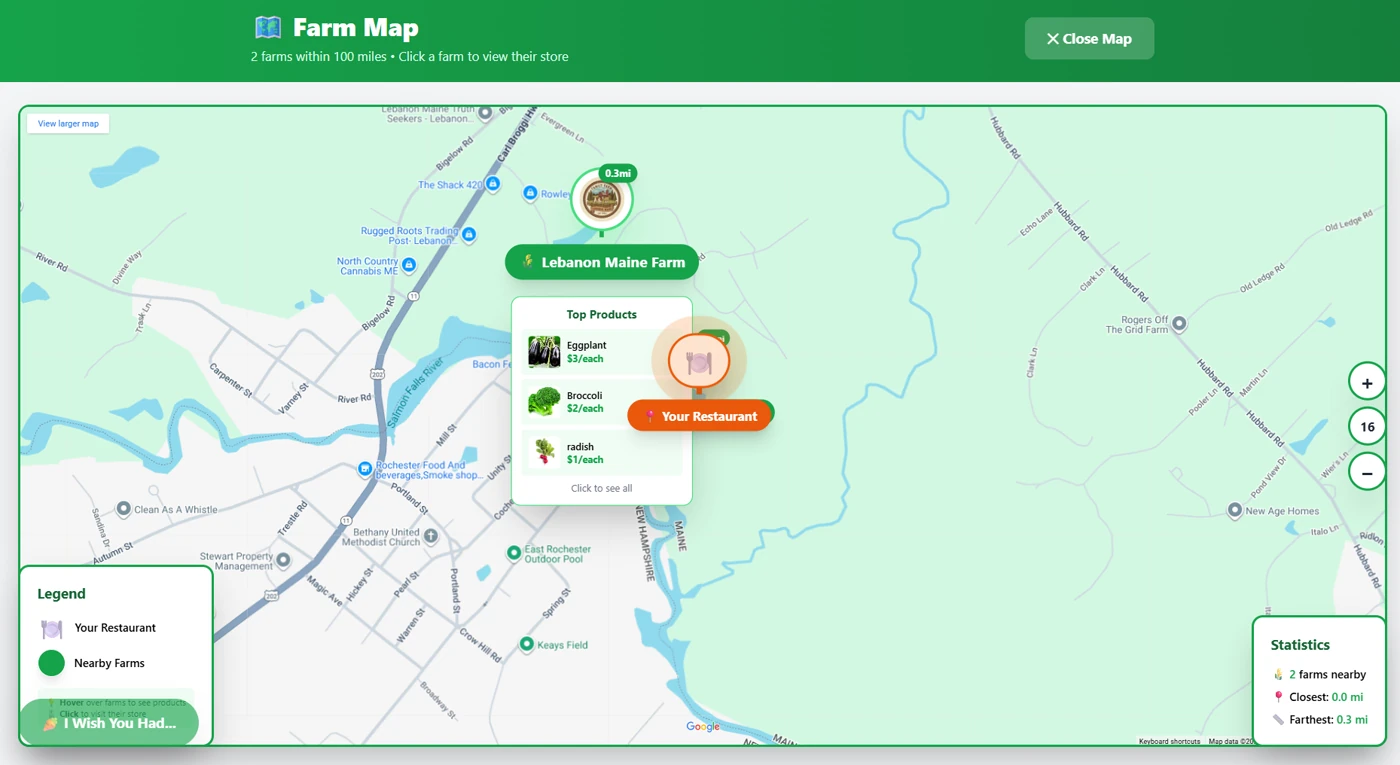
Video moment: chef opening the app and seeing a map of nearby farms, each with current listings — the geography of local food made visible.
The Farm Side: How Farms List and Sell
For a farm, LiveStalks is a direct sales channel to restaurants and chefs in their region. Here's how it works from the farm's perspective:
Photos, your story, what you grow, how you farm. This is what chefs see when they discover you on the marketplace — your profile is your first impression and your sales pitch.
Add what you have available right now: item name, photos, price per unit, available quantity, and any relevant details (variety, harvest date, certifications). Update listings as inventory changes.
Define your delivery radius, minimum order size, available delivery days, and pickup options if applicable. You control the terms of every transaction.
When a chef places an order, you get a push notification immediately. Review the order, confirm it, and coordinate the logistics — either via the built-in messenger or however you prefer to work.
The farm dashboard shows all orders, inventory levels, delivery schedules, and revenue — no spreadsheet patchwork required.
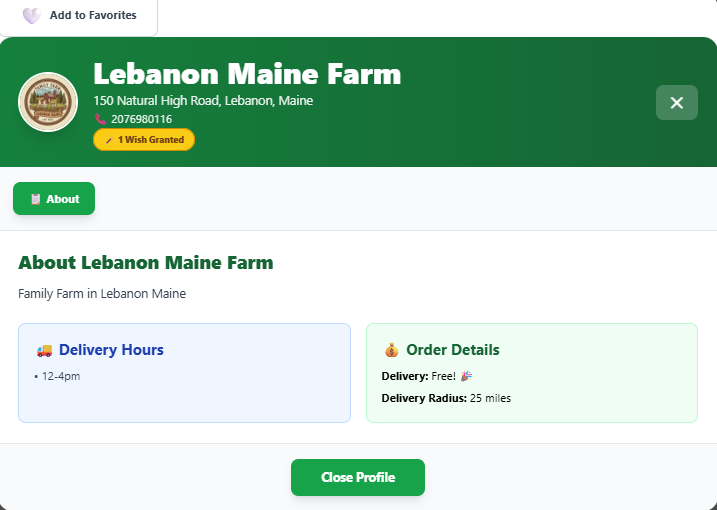
Video moment: farmer creating a product listing on their phone — taking a photo of fresh produce and publishing in under a minute.
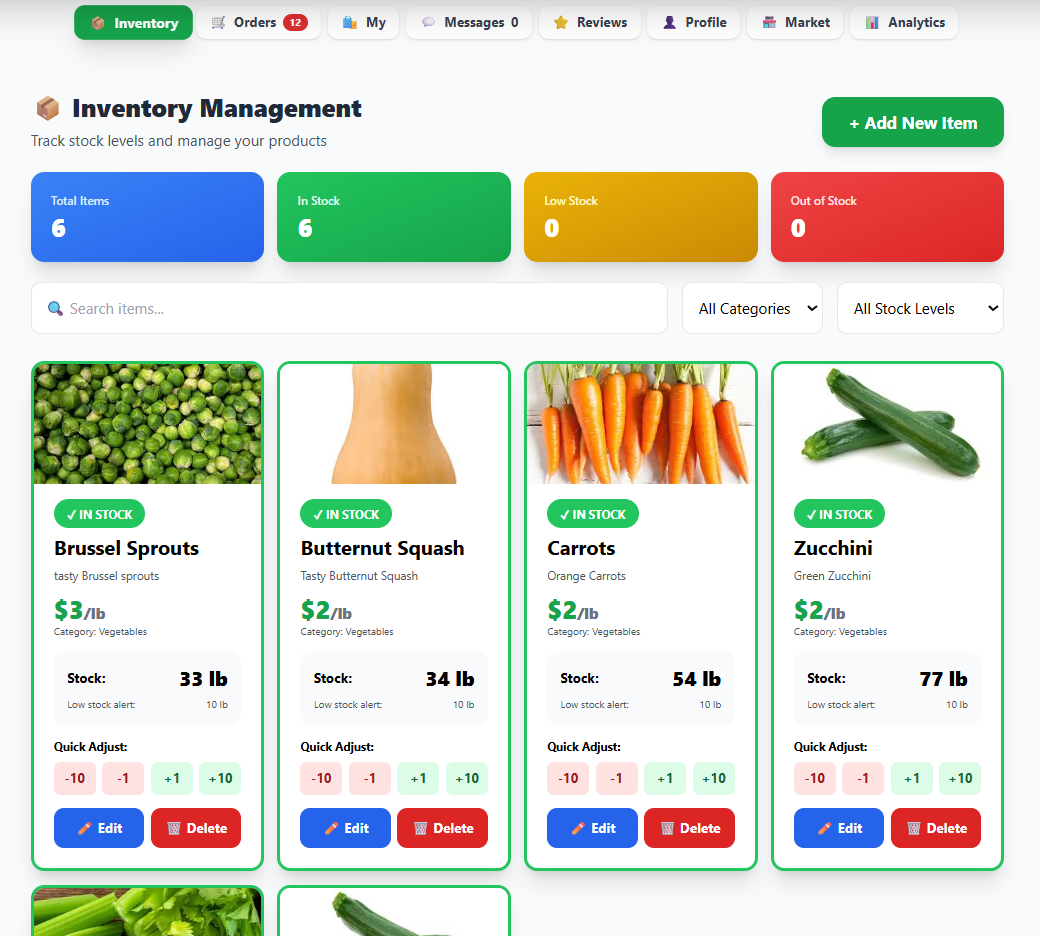
Video moment: farmer updating inventory after harvest — adding new listings, adjusting quantities, prices updating in real time.
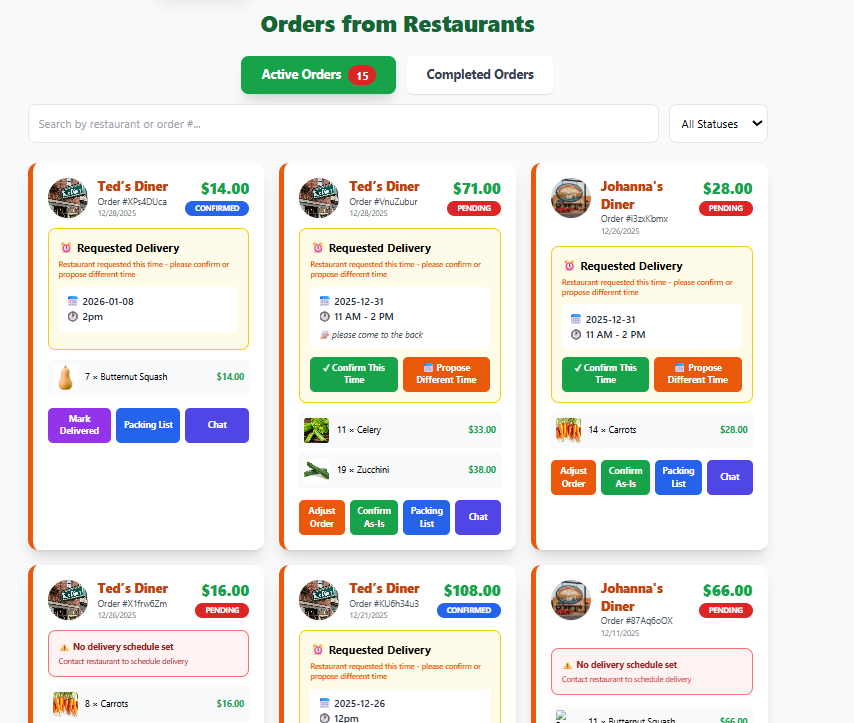
Video moment: farmer receiving an order notification, reviewing it, confirming — the whole workflow on one screen.
"I used to spend hours every week answering the same questions by phone or email. Now I update my listings once, and chefs can see exactly what I have. The orders just come in." — A LiveStalks farm partner, Seacoast New Hampshire
The Restaurant Side: How Chefs Browse, Order, and Receive
For a chef or restaurant buyer, LiveStalks is a live window into what local farms actually have available today. Here's how it works:
Search by ingredient, farm name, or browse all listings by proximity. Every listing shows current price, available quantity, and when delivery is possible. No outdated catalog, no guessing.
See multiple farms offering the same ingredient side by side — different varieties, prices, quantities, and delivery windows. Order from one farm or several in a single session.
Select quantity, confirm pricing, place the order. The farm receives it immediately and confirms. No purchase order forms, no fax machines, no voicemail chains.
The built-in messenger lets you talk directly with the farm — ask about a specific variety, request a custom cut, adjust an order, or just say thank you. The relationship is direct.
The farm delivers according to the agreed terms. You receive exactly what you ordered, directly from the source, within 24–48 hours of it being harvested.
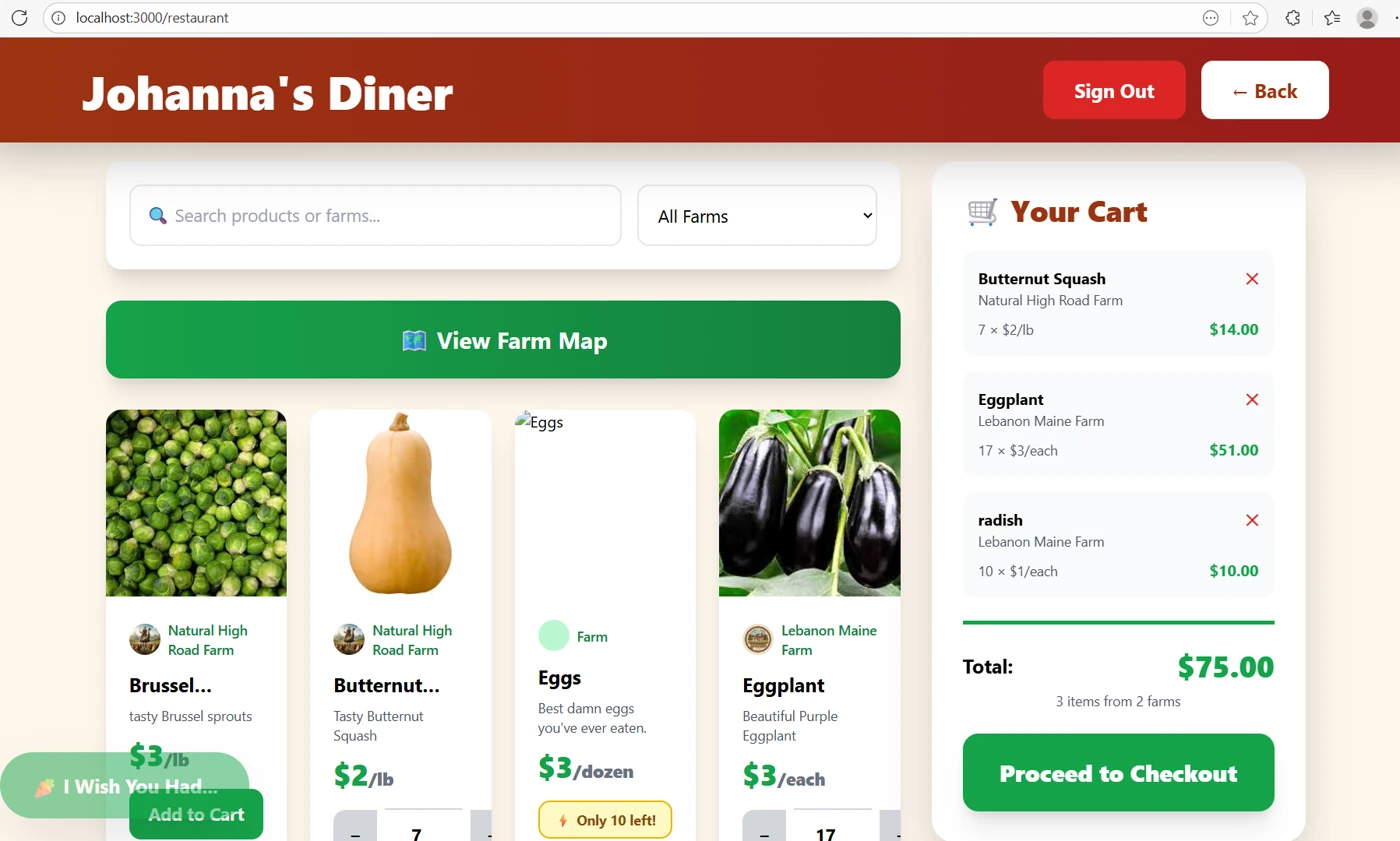
Video moment: chef scrolling the marketplace during morning prep, finding a farm with exactly what they need for the week's special.
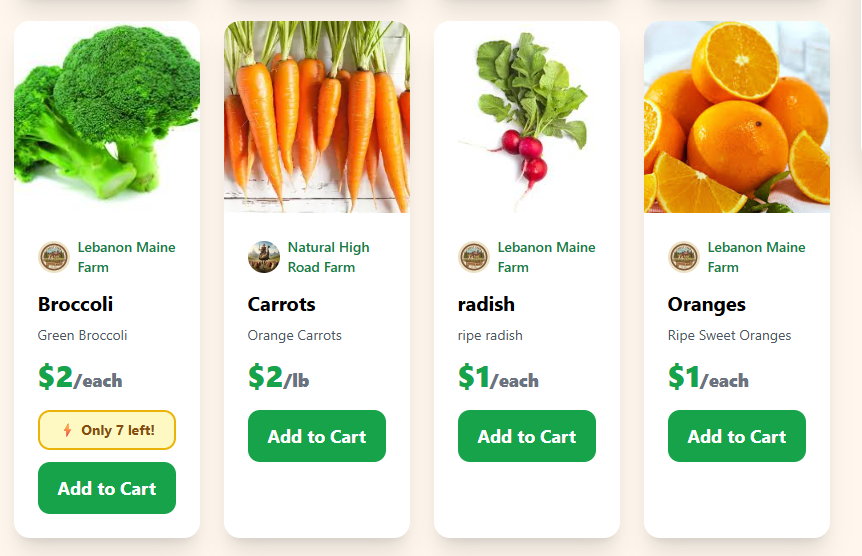
Video moment: chef selecting quantities and placing an order, confirmed in seconds — nothing like the old process.
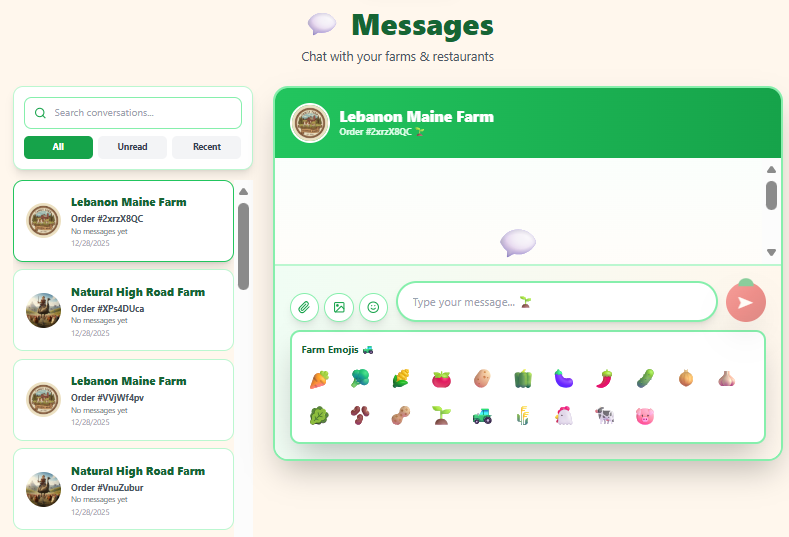
Video moment: chef and farmer exchanging messages — quick, direct, no middleman relaying information.
The Wish Request Feature
Sometimes a chef wants something that no farm currently has listed. Maybe it's a specific heirloom tomato variety, or dried beans heading into fall, or a quantity of garlic that's larger than any single listing. That's what wish requests are for.
A chef submits a wish request — what they want, how much, and when they need it. That request appears on the farm side of the platform, where any farm in the area can see it and respond. Farms that can fill the need reach out directly. Farms that can't fill it now might use it to inform what they plant next season.
This turns the marketplace from a passive catalog into a living conversation between kitchens and fields. A chef's expressed demand shapes what gets grown — which is how it should work.
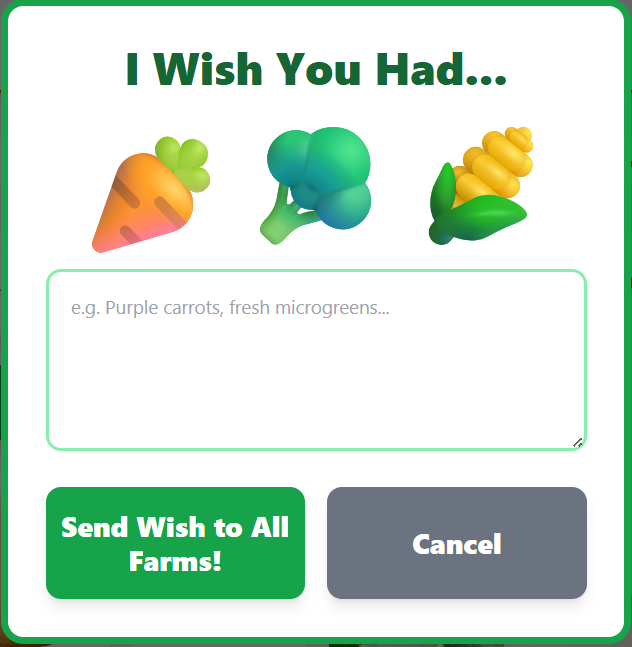
Video moment: chef submitting a wish request; farmer receiving it and adding it to their planting plan for next season.
No Middleman Means Better Math for Everyone
A traditional food distributor typically takes 15–25% of the transaction value for moving product between a farm and a restaurant. That margin comes from somewhere — and it comes from both sides. Farms receive less per unit than they would selling direct. Restaurants pay more per unit than they would buying direct.
LiveStalks removes that layer entirely. The farm sets a price. The chef pays that price. LiveStalks facilitates the transaction and connection without extracting a distributor's margin from every pound of produce that changes hands.
What this means in practice: farms earn more revenue per harvest. Chefs pay less for the same ingredient — and often get better quality, because the food isn't sitting in a distributor's warehouse between harvest and delivery. Both sides win. The only thing that loses is the middleman's margin.
"I was paying $5.50 a pound for kale that came through a distributor. Same farm, direct through LiveStalks, I'm paying $3.80. And it's fresher." — A LiveStalks chef partner, Southern Maine
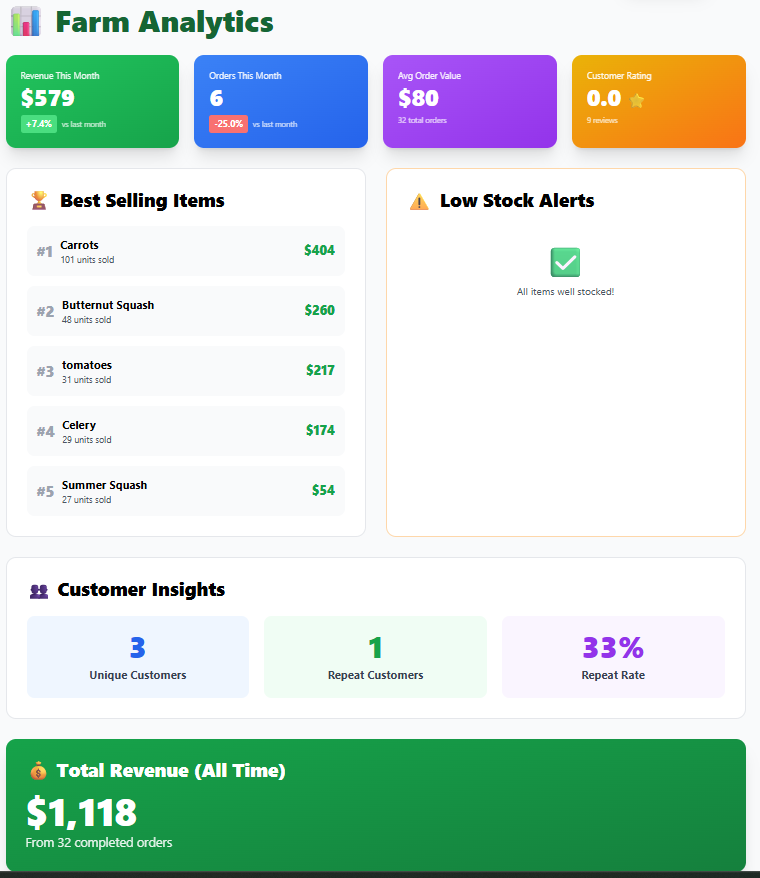
Video moment: farmer reviewing their analytics dashboard — revenue growing as more restaurants discover their listings.