It starts before sunrise. A farmer in Kennebunk pulls on his boots and walks into a field that his family has farmed for three generations. He checks the heads of lettuce, the snap peas, the first summer squash. He takes a photo on his phone and posts it to the LiveStalks marketplace. By the time he's back at the barn, a chef in Portsmouth has already placed an order.
That exchange — fast, direct, no broker in the middle — is the mechanism. But the relationship that grows around it is something else entirely. The farmer now knows which chef values dry-farmed tomatoes. The chef knows which farm to call when she needs something specific. That knowledge accumulates. And over time, it becomes a community.
This is what LiveStalks is actually building — not just a marketplace, but the infrastructure for a local food community where every person in the chain knows the one before and after them.
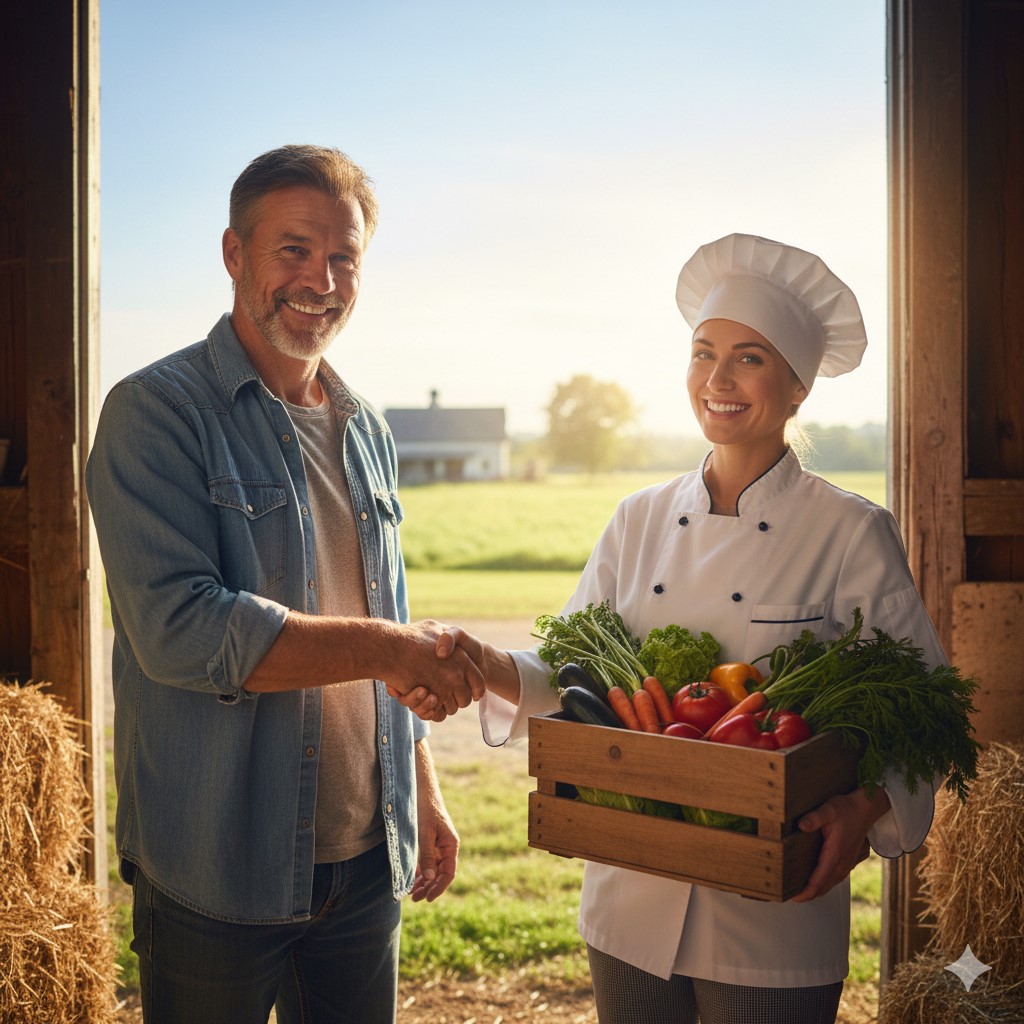
Video moment: farmer and chef greeting at a kitchen door, produce handed off — the handshake that starts the chain.
Meet the People in the Chain
Local food isn't an abstraction. It's a specific set of people doing specific things, connected in sequence. When that sequence works, something real gets built. When it breaks — when one person in the chain doesn't know the next — you get the commodity food system: efficient, scalable, and completely anonymous.
LiveStalks exists for the version where people know each other. Here's who makes up the chain:
The Farmer
Grows what the land allows. Understands seasonality not as a marketing concept but as a physical reality. Has produce that needs to reach a buyer at exactly the right moment — and historically had no direct way to make that happen.
The Chef
Builds menus around what's best right now, not what's available year-round from a distributor. Needs reliable access to producers who can deliver what they promise. Wants to know who grew the food on their menu — and to tell that story to their guests.
The Server
Carries the story from kitchen to table. When they can say "the farmer who grew this is in Kittery" or "the chef requested this variety specifically," the meal becomes a conversation rather than a transaction. Servers who know the story tell it better — and guests who hear it remember it.
The Guest
Chooses where to eat. When they choose a restaurant because they know it sources locally, they are casting a vote for the farmer. They may not think of it that way — but the money follows the decision, and the decision follows the story.
The Community
What forms when this chain repeats — week after week, season after season. A region where farms are economically viable, where restaurants are rooted in their landscape, where the food on a table tells a real story about the place it came from. This is what accumulates when every link holds.
What Happens When the Chain Breaks
For most of the last fifty years, the chain described above barely existed. What replaced it was a system built for scale, not relationship: farms sold to regional distributors, distributors delivered to restaurant loading docks, chefs received produce that may have changed hands three times and traveled a thousand miles before it arrived.
This system works. It's reliable, consistent, and predictable. It also strips every link of its story. The farmer doesn't know who will eat what they grew. The chef doesn't know who grew what they're cooking. The guest definitely doesn't know. And because nobody knows, nobody can tell anyone anything worth hearing.
That's not a community. That's a supply chain. Efficient — and completely anonymous.
"I used to get a box every Tuesday with no name on it. Now I know the farm, I know the farmer's name, and he texts me when something comes in early. That's a completely different relationship." — A LiveStalks restaurant partner, Southern Maine
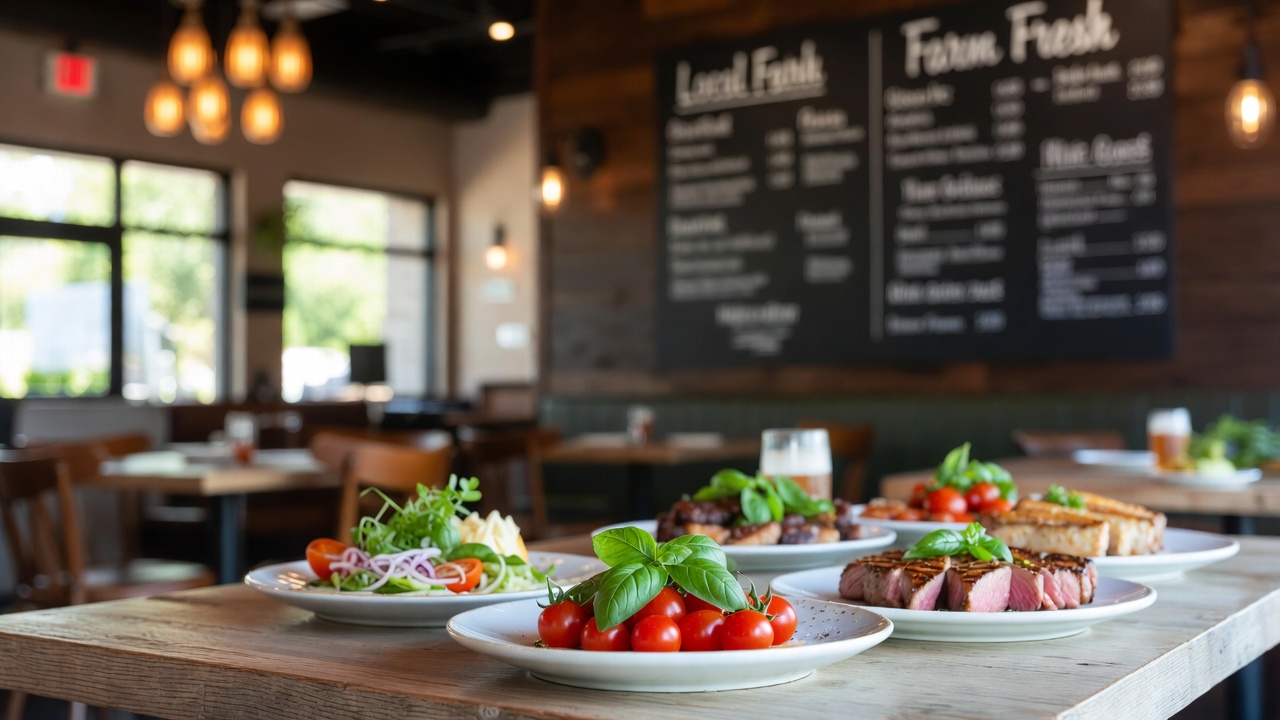
Video moment: a server explaining the provenance of a dish to guests — the story traveling from farm to table.
How LiveStalks Connects Every Link
The LiveStalks marketplace doesn't just move produce. It makes the people in the chain visible to each other — and gives them the tools to build actual working relationships.
Farmer ↔ Chef: Direct Access, No Broker
A farmer lists their available products on LiveStalks — with photos, pricing, quantities, and harvest timing. A chef in the same region browses, finds what fits their menu, and places an order directly. No distributor markup, no mystery about the source, no call-tag on a generic cardboard box. The farmer gets fair pricing. The chef gets transparency. Both get a relationship that can grow over time.
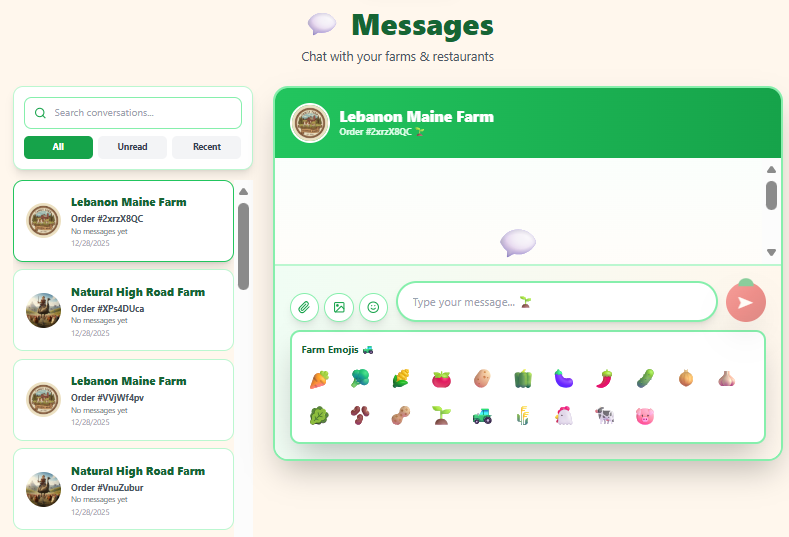
Video moment: farmer receiving a message from a chef: "Can you hold back 10 lbs of the dry-farmed tomatoes for Saturday?" The farmer replies with a thumbs up.
The Wish Request: Farmers Growing What Chefs Need
One of the most community-building features on LiveStalks is the wish request. A chef posts a specific ingredient they want — a particular variety of winter squash, a heritage-breed egg, a specific herb they can't find through their regular supplier. Farmers in the network see it. If someone can fulfill it, they do. If not, the request becomes planting information: a signal about what this community's restaurants actually want.
This is how a food community develops its own character. The farms in a region start growing what the chefs in that region want. The chefs build menus around what the farms in that region can actually produce. The food becomes a reflection of the place.
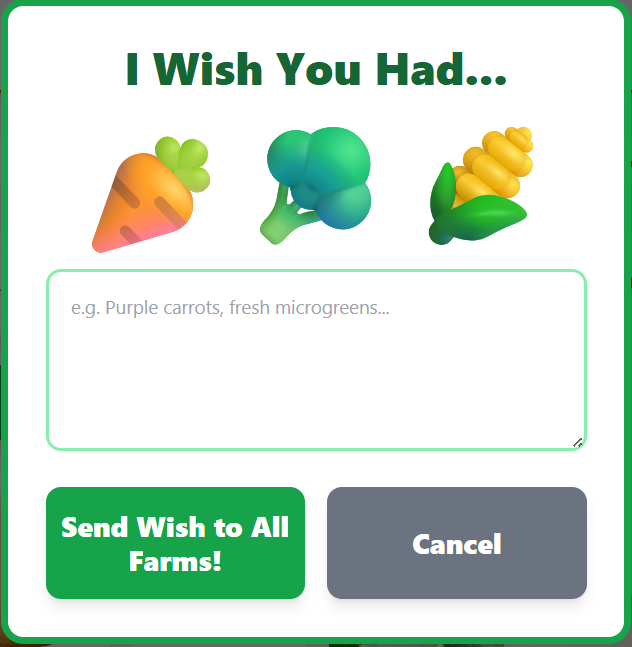
Video moment: chef posting a wish request; farmer reading it in the field and nodding — deciding to plant it next season.
Chef ↔ Server: The Story Gets Told
When a chef knows exactly where something came from, they can brief their team on it. "This is from Stonewall Farm in Kennebunk. They delivered this morning. The squash is at its absolute peak." A server who hears that can repeat it — and a guest who hears it from a server believes it in a way that a menu blurb never quite achieves. The story travels.
Server ↔ Guest: The Moment of Recognition
There's a specific moment that happens at a table when local food is done right: a guest asks a follow-up question. "Which farm? Do they have a stand somewhere?" Or they take a photo. Or they turn to whoever they're with and say, "We should go there." These moments don't happen with anonymous food. They happen when the chain is intact enough that a real story arrives at the table.
"When a guest asks where something came from and I can actually answer them — with a name, a town, a story — the whole conversation changes. They're not just eating dinner anymore." — A LiveStalks restaurant partner, Seacoast New Hampshire
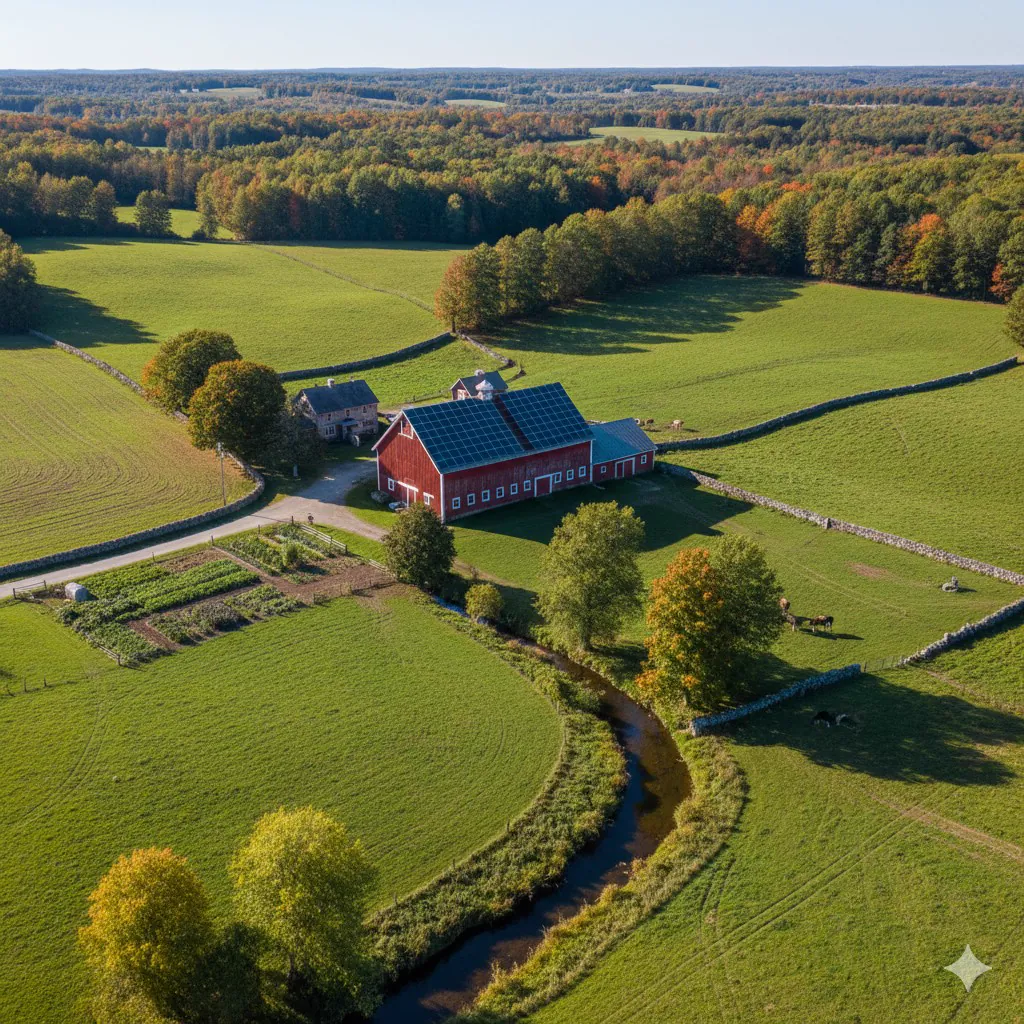
Video moment: aerial shot of a working farm — then cut to the same produce on a restaurant plate, then to a guest's face as the server explains the origin.
What the Chain Builds Over Time
A single transaction between a farmer and a chef is useful. Repeated over a season, it becomes a working relationship. Repeated over years, across dozens of farms and restaurants in the same region, it becomes something harder to put a name to but easy to recognize when you're in it: a place that has a food culture.
Southern Maine and Seacoast New Hampshire have the ingredients. The farms are here. The talent is in the kitchens. The guests are ready to hear the story. What was missing was the infrastructure to connect people who wanted to know each other but had no easy way to find each other.
That's what LiveStalks is. Not a middleman — the opposite. A platform that makes direct connection possible, and then gets out of the way while the relationships build.
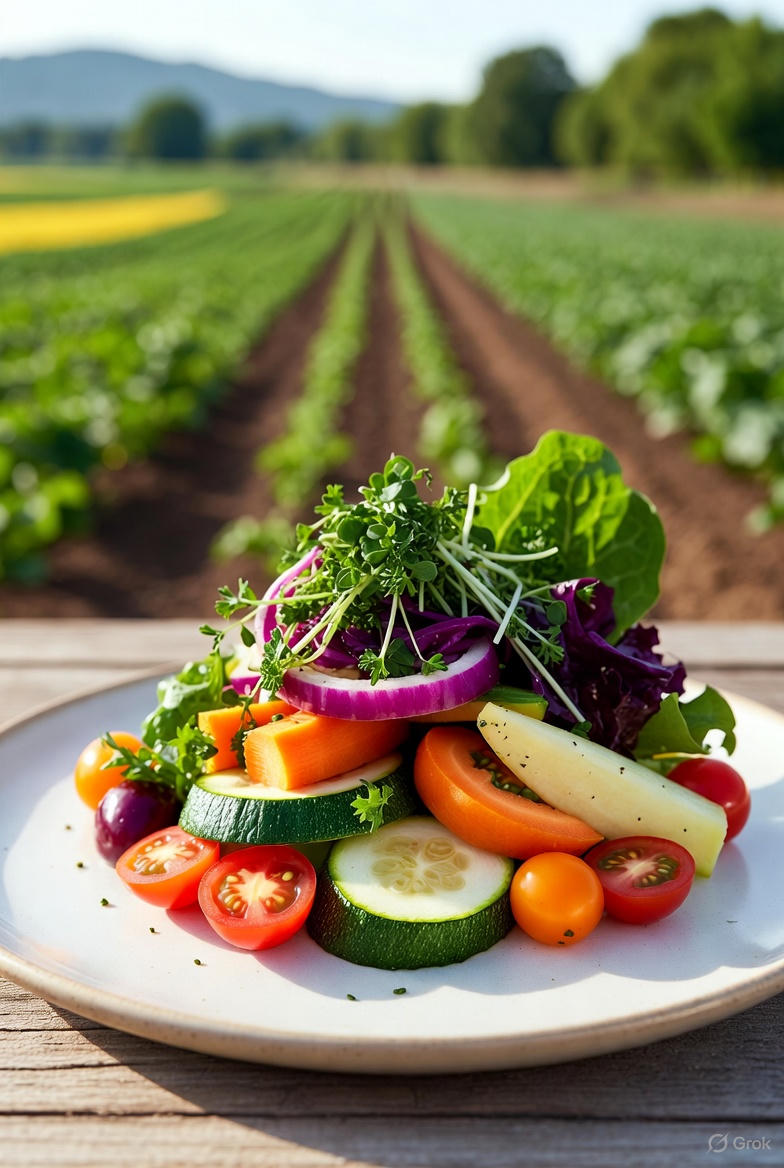
Video moment: the full chain — field to kitchen to plate to table — in a single 30-second sequence.
Every Link Matters
A community is only as strong as its connections. In a local food community, those connections are made one order at a time, one delivery at a time, one conversation at a table at a time. Remove any link — take out the farmer, or disconnect the chef from the source, or leave the server with nothing to say — and the chain goes quiet. The food is still there. But the story isn't.
LiveStalks exists to keep the chain intact. Every farm that lists a product, every chef that places an order, every guest that asks where something came from — each of those actions is a link. Add them up across a region and over a season, and what you have is a food community that can sustain itself.
Grown Local... Served Local...